
Business
Deer widows gather in Bismarck for annual vendor show
By Lila Johnson
Advertisement · Why this ad?
Mark Gilliam brings a decade of experience in business reporting to Fargo Current, previously writing for the Grand Forks Herald. He holds a degree in Business Administration from the University of North Dakota and specializes in local economic trends and business development.
More from Mark →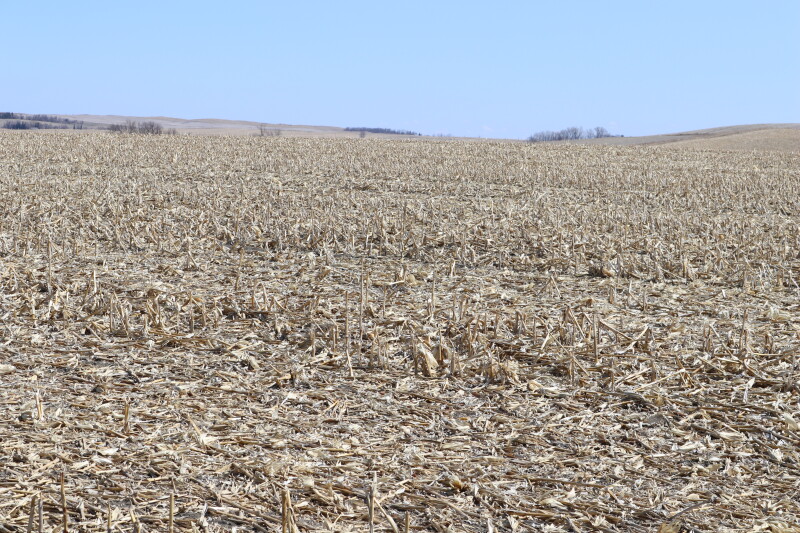
Jenny Schlecht / Agweek By Ariana Schumacher Today at 5:30 AM Listen Comments Share Share this article News Reporting News Reporting Based on facts, either observed and verified firsthand by the reporter, or reported and verified from knowledgeable sources. The Trust Project What is this? BROOKINGS, S.D. — With drought conditions across the Great Plains this year, producers have been looking for extra forages for their livestock. “We need something to feed that feeds a whole lot better than a snowbank,” said Heather Gessner, SDSU Extension livestock business management field specialist and interim Ag and Natural Resources Program leader. ADVERTISEMENT Contributed / SDSU She said a lot of times, that can be done by adding low quality corn stover to the cattle feeding operations and making balanced rations with them. Stover is what remains in the field after the combine runs through. It’s a mixture of the stalks, leaves, husks and a little bit of corn. Sometimes, those acres will be grazed, but baling them has become a more common practice, especially as yields get really high, Gessner said. The corn stover is used as a base and carrier for some distillers grain producers or pelleted soybean meal or other things like that, Gessner said. “We can keep the cow full by using some of these lower priced forages and then balance the ration using other high density nutrient feed materials in a different package. We can save our alfalfa for when the cows really need it, in that third trimester or when they’re lactating,” Gessner said. “We can save some of those high quality forages and get those cows by when they’re not lactating, they’re in that mid-gestation when their nutrient requirements are lower.” When it’s dry, the price of alfalfa and good quality hay increases, so if producers can feed lower quality forages and keep the ration at a lower price per day, it’s beneficial. Gessner estimated the stover is about half the price of good hay or alfalfa, but it's important to check local prices. ADVERTISEMENT More corn news: The grain is in the bin. Now what? 4d ago North Dakota bucks fertilizer trend, study says Oct 26 University of Minnesota cuts manure nitrogen rates for corn Oct 26 But there can be some concerns for the crop producers, so they need to consider how much stover they take off the field. “That really leaves a big blanket of that cover on the ground, which is great to help with the erosion and some of those things that come through. You know, if we don’t get a lot of snowfall having that cover of the stover in that aftermath acres really helps with some of that wind erosion,” she said. Another aspect producers need to think about include the nutrient value of the stover that’s being removed from the field. “So, how much nitrogen, how much phosphorus and potassium are we taking off of the ground that we have to put back next year to grow the next crop? So, there’s some value to that and there’s some calculations and formulas that you can use to figure that,” Gessner said. Gessner said producers can also evaluate the value of taking some stover off the ground so the soil temperature warms up quicker in the spring, possibly providing an earlier growing season. ADVERTISEMENT “Sometimes those growing degree days, we are really fighting for every day that we can get and if we can warm up that ground a little quicker, seed sprout better, they sprout more uniformly and all those agronomic components go in that direction as well,” Gessner said. Comments Share Share this article News Reporting News Reporting Based on facts, either observed and verified firsthand by the reporter, or reported and verified from knowledgeable sources. The Trust Project What is this? Tags Tags AGRICULTURE CATTLE LIVESTOCK CROPS CORN By Ariana Schumacher Ariana is a reporter for Agweek based out of South Dakota. She graduated from South Dakota State University in 2022 with a double major in Agricultural Communications and Journalism, with a minor in Animal Science. She is currently a graduate student at SDSU, working towards her Masters of Mass Communications degree. She enjoys reporting on all things agriculture and sharing the stories that matter to both the producers and the consumers. Twitter Facebook Listen to this article Conversation ADVERTISEMENT What To Read Next Corn Grazing corn stalks to combat volunteer corn 1d ago · By Ariana Schumacher Cattle Tips for transitioning calves to the feedlot Nov 3 · By Ariana Schumacher Policy Judge strikes down parts of North Dakota Beef Commission membership law Oct 28 · By Jack Dura / North Dakota Monitor ADVERTISEMENT Get Local
By Lila Johnson
By Lila Johnson

By Mark Gilliam

By Jake Thompson